
Animal group names range from everyday words like herd and flock to old collective nouns that sound like someone had far too much fun with a dictionary.
This guide separates the common terms you are likely to hear in real life from traditional species-specific names, so the fun vocabulary does not get mistaken for scientific classification.
The most common animal group words
- Herd: commonly used for many hoofed mammals.
- Flock: widely used for birds and some domesticated animals.
- Pack: commonly used for social canids such as wolves and dogs.
- School: commonly used for fish moving together.
- Pod: often used for whales, dolphins, and some other marine mammals.
- Colony: used for many animals that live or breed in groups.
- Swarm: common for many insects and sometimes other mass gatherings.
- Pride: famously used for lions.
- Troop: used for several primates.
- Mob: commonly used for kangaroos in Australian English.
Traditional bird collective nouns
- A murder of crows
- An unkindness of ravens
- A flamboyance of flamingos
- A convocation of eagles
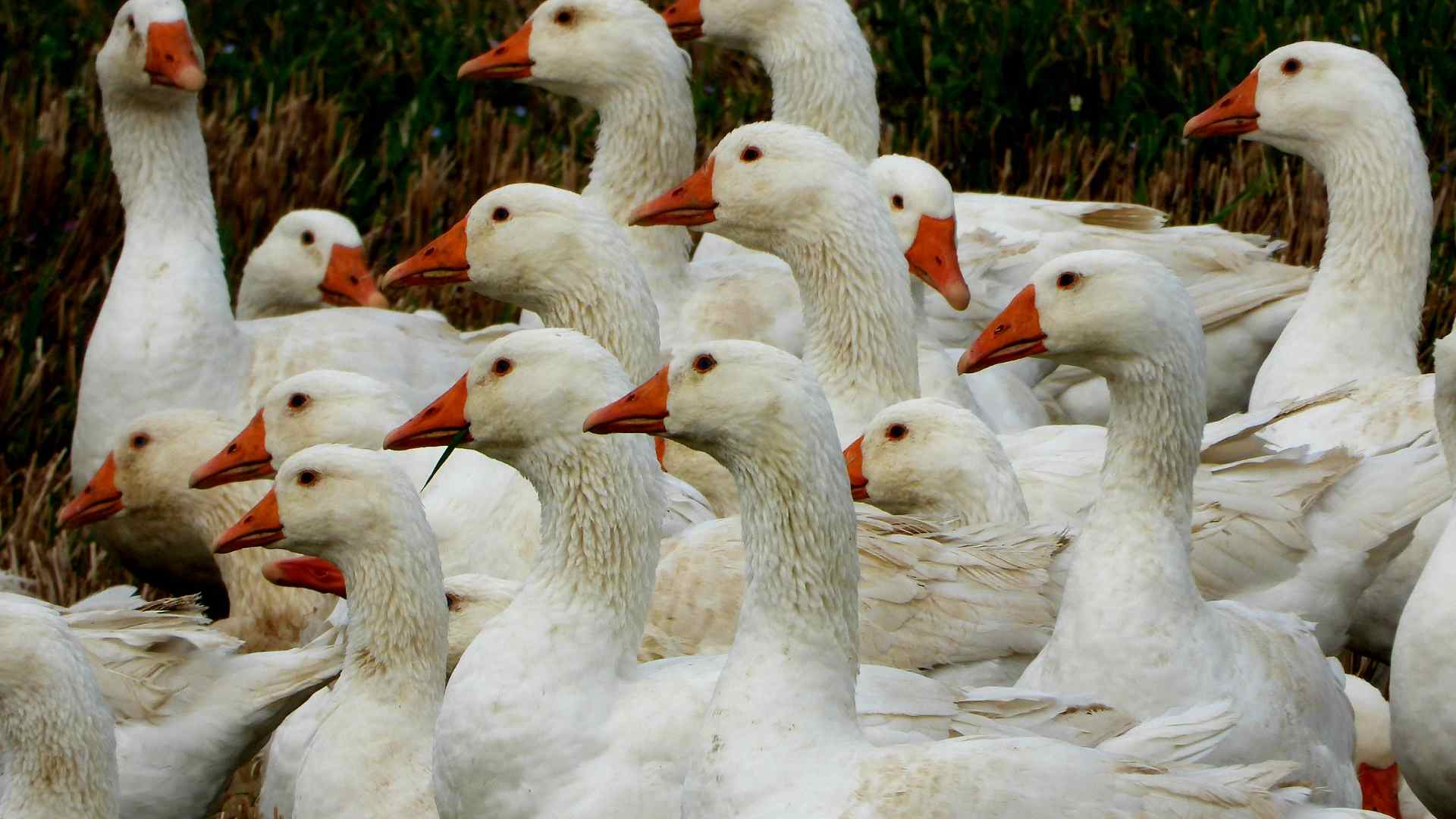
- A gaggle of geese on the ground
These colorful terms sit alongside ordinary words such as flock. Smithsonian's National Zoo, for example, notes that a group of flamingos can be called a flamboyance, while stand, colony, and pat are also used.
Traditional mammal collective nouns
- A bloat of hippopotamuses
- A conspiracy of lemurs
- A business of ferrets
- A mob of kangaroos
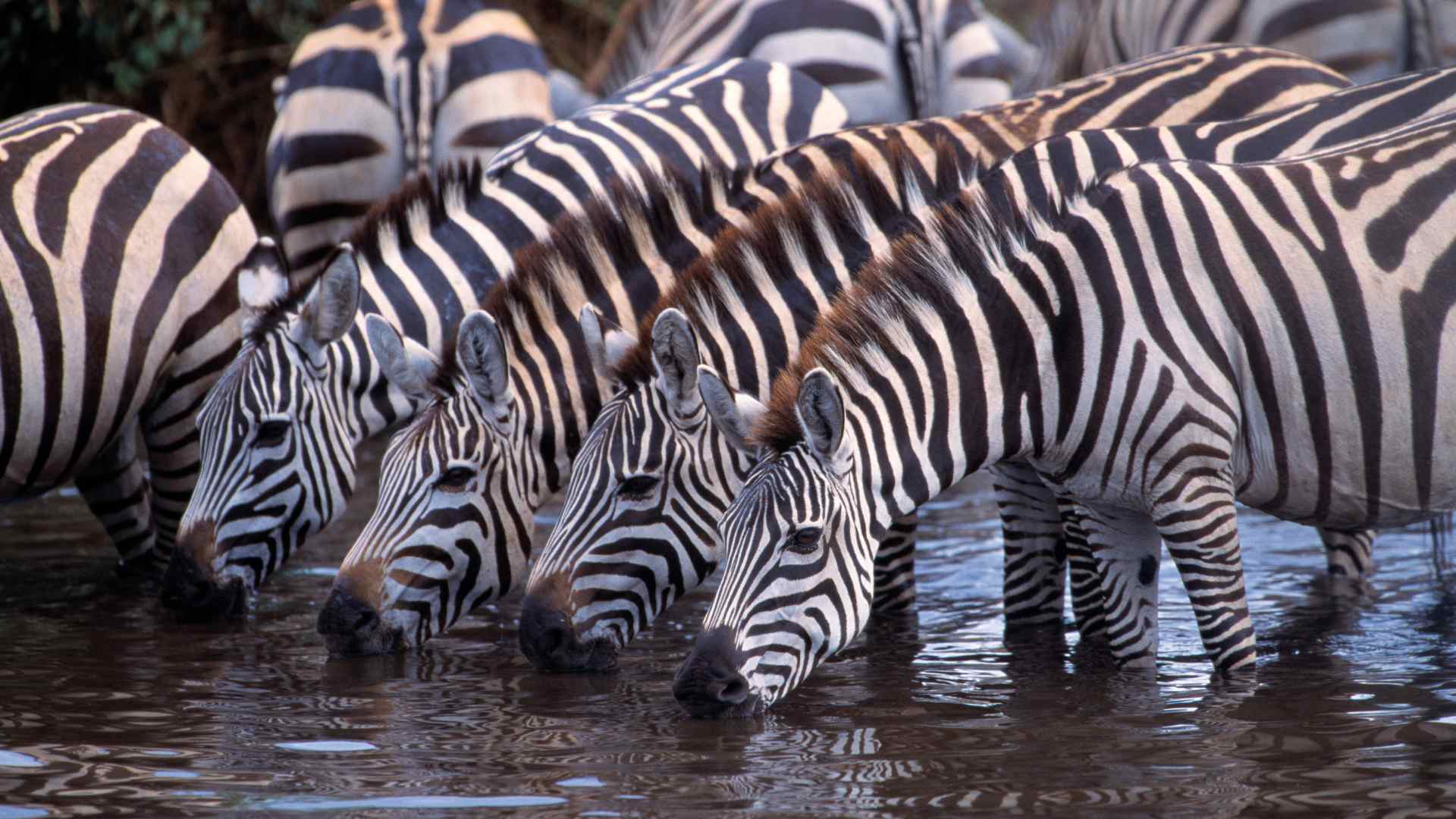
- A zeal of zebras
- A dazzle of zebras
- A shrewdness of apes
- A leap of leopards
- An obstinacy of buffalo
Ocean and reptile collective nouns
- A smack of jellyfish
- A bloom of jellyfish
- A swarm of jellyfish
- A lounge of lizards
Why one animal can have more than one group name
Collective nouns come from several places: ordinary descriptive English, hunting terminology, historical wordplay, regional usage, and later popular culture. That is why one species can have a practical everyday term and a more colorful traditional one.
Dictionary.com notes that many famous animal collective nouns are linked to the fifteenth-century Book of Saint Albans, and some may originally have been playful. In scientific writing, a plain descriptive term can be more common than the fanciest collective noun.


Common animal group terms by setting
- Birds: flock is the safest general term.
- Fish: school or shoal are common depending on behavior and usage.
- Whales and dolphins: pod is widely used.
- Wolves: pack is standard everyday usage.
- Lions: pride is widely recognized.
- Cattle and many grazing mammals: herd is common.
- Insects: swarm or colony may apply depending on the species and behavior.
Where I checked the unusual terms
- Dictionary.com documents several traditional collective nouns and their histories.
- Smithsonian's National Zoo confirms flamboyance as one term for flamingos.
The practical takeaway
If you are writing a school paper or scientific piece, use the term your source uses and avoid assuming the most entertaining collective noun is the most common professional one. If you are playing trivia, though, murder, flamboyance, conspiracy, business, and smack are much more fun to remember.

Ellie is the founder and editor of Fun Group Names, where she curates creative, inclusive lists of group names, team names, and group chat names grounded in real-world trends and pop-culture research. Her guides are trademark-aware and family-friendly so you can choose the perfect name with confidence.