
Half the fun of a murder mystery is accusing your friends with completely unreasonable confidence. These names fit detective teams, suspect groups, party chats, and tables that want a clever identity before the first clue appears.
Best murder mystery team names
These names fit detective teams, suspect groups, dinner tables, party chats, and mixed roles. I would start here when the organizer wants a title that suggests mystery without revealing who is supposed to be guilty.
- The Final Clue
- The Alibi Society
- The Drawing Room Detectives
- The Red Herring Club
- The Last Witnesses
- The Case Closers
- The Suspicious Few
- The Evidence Table
- The Midnight Sleuths
- The Motive Hunters
- The Secret Passage Society
- The Unsolved Supper
- The Clue Collective
- The Questioning Committee
- The Curious Guests

Funny detective team names
A mystery party makes confidence much easier to obtain than evidence. These names suit teams that accuse the nearest friend, misplace the clue sheet, and still deliver a closing argument over dessert.
- Clueless but Confident
- The Accidental Sleuths
- No Alibi Needed
- The Usual Suspects' Cousins
- Motive? Never Met Her
- The Dinner Interrogators
- The Highly Questionable
- The Wild Guess Unit
- The Gumshoe Goofballs
- Sherlock Homies
- The Bad Cop Book Club
- The Magnifying Glass Half Full
- The Evidence Misplacers
- The Suspicion Department
- The Wrong Conclusion Crew
Clever sleuth and investigator names
Clever detective names focus on the work of solving a case: patterns, details, timing, questions, locked rooms, and second looks. They sound observant without claiming the team has already earned a private office on Baker Street.
- The Deduction Department
- The Quiet Observers
- The Pattern Finders
- The Detail Detectives
- The Timeline Team
- The Hidden Motive Society
- The Logic Lanterns
- The Question Mark Club
- The Locked Room League
- The Footnote Investigators
- The Missing Piece
- The Careful Conclusions
- The Second Look Society
- The Inference Unit
- The Truth Between Lines
Names for suspects and villains
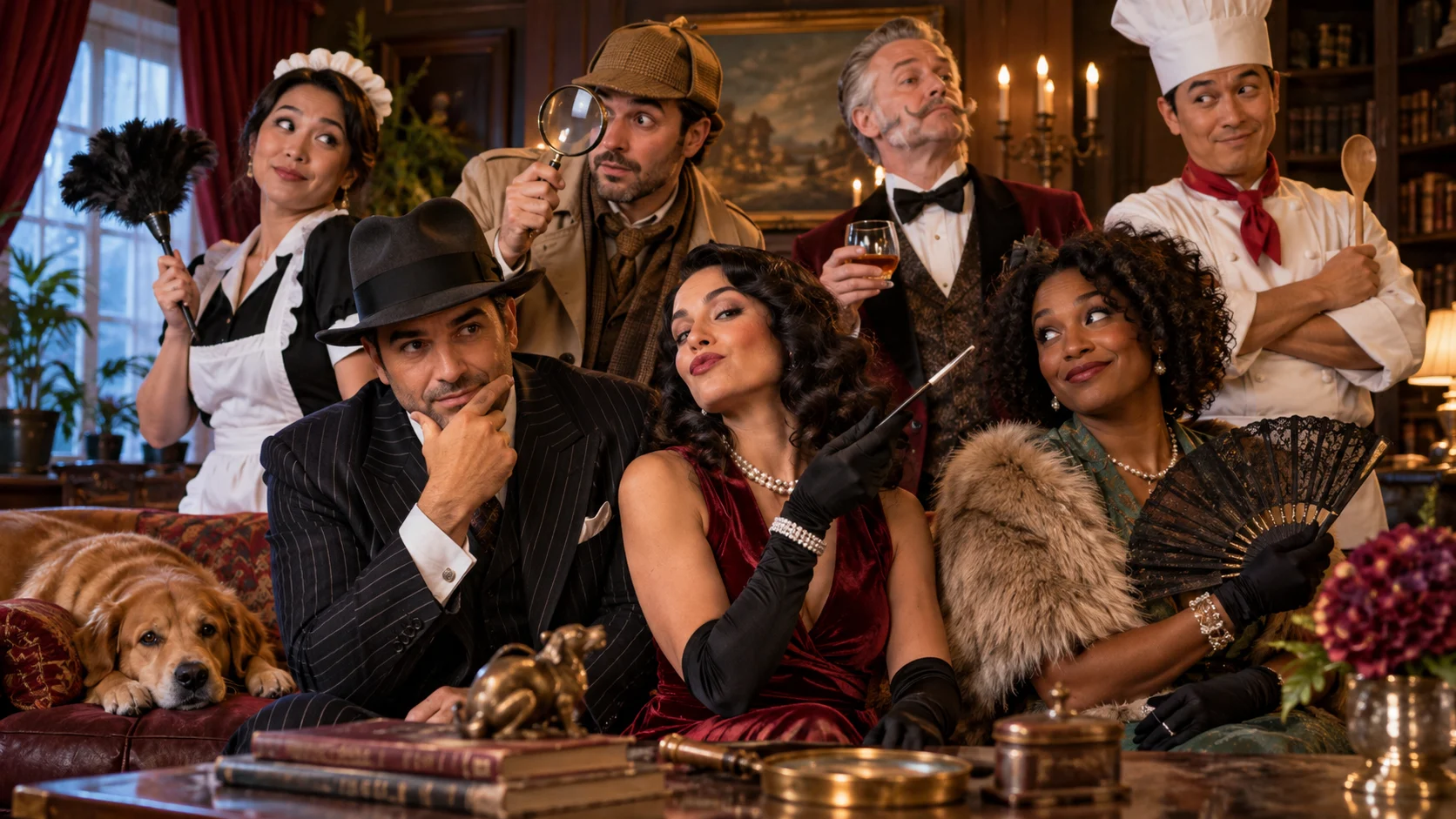
Suspect names are most fun when everybody knows the accusation is part of the game. Alibis, inheritances, absences, gloves, and suspicious glances create character without turning the phrasing graphic.
- The Plausible Deniers
- The Shifty Guests
- The Velvet Alibis
- The Motive Makers
- The Midnight Suspects
- The Guilty Looks
- The Secret Keepers
- The Questionable Heirs
- The Inheritance Club
- The Uninvited Cousins
- The False Witnesses
- The Black Glove Society
- The Convenient Absences
- The Quiet Accomplices
- The Beautiful Liars
Vintage and manor mystery names
A manor mystery name can imply an entire setting with a surname, room, object, or unanswered event. I like these because they sound established but leave the host room to build an original story.
- The Briarwood Inquiry
- The Candlewick Detectives
- The Ashcroft Affair
- The Gilded Key Society
- The Ravenswood Guests
- The Marlowe Mystery Club
- The Bell Tower Case
- The Rose Hall Detectives
- The Blackwood Supper
- The Silver Tray Sleuths
- The Manor House Minds
- The West Wing Witnesses
- The Library at Midnight
- The Hawthorne Investigators
- The Velvet Rope Inquiry

Murder mystery group chat names
The group chat handles costumes, arrival times, character questions, and the desperate request not to spoil the ending. These names make the purpose easy to find while preserving the playful suspicion.
- The Clue Thread
- Who Did It Chat
- Alibis in Writing
- The Suspect List
- Evidence Incoming
- The Case File Chat
- Seen Near the Scene
- Motive Messages
- The Red Herring Hotline
- Question Everyone
- The Dinner Party Dossier
- The Secret Passage Thread
- Typing Under Interrogation
- The Witness Group Text
- No Spoilers, Just Suspects
Names for dinner party teams
Dinner party teams can pull language from place cards, courses, candles, menus, and the seating chart. The food reference keeps the tone social even when everyone is accusing the person holding the dessert fork.
- The Supper Sleuths
- The Dessert Detectives
- The Table Six Suspects
- The Appetizer Alibis
- The Dinner Bell Detectives
- The Mystery Menu
- The Place Card Police
- The Suspicious Servers
- The Napkin Note Society
- The Candlelight Clue Crew
- The Final Course Finders
- The Seating Chart Sleuths
- The Champagne Clues
- The Kitchen Witnesses
- The Midnight Toast
Family-friendly mystery names
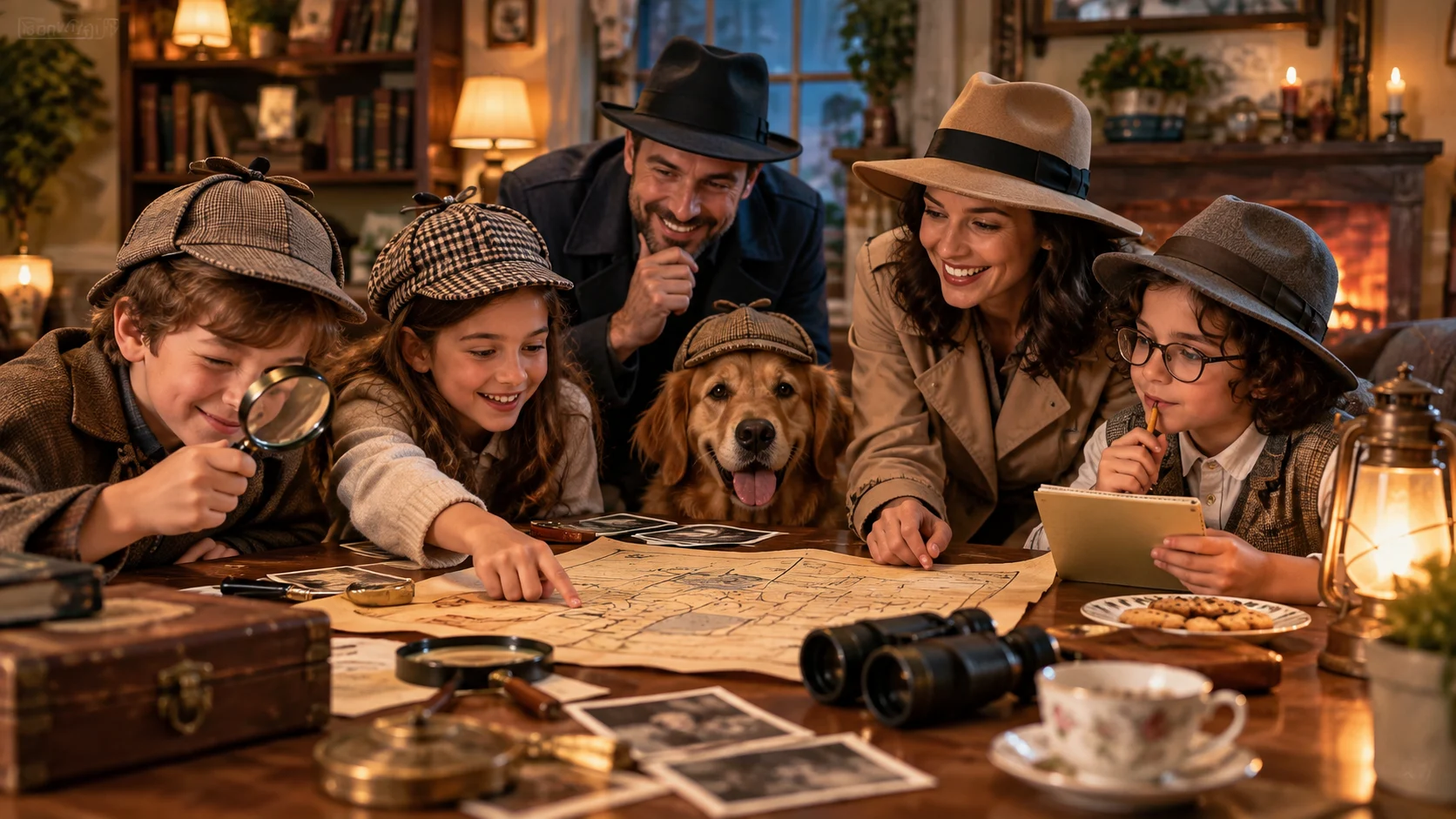
Family-friendly names move the focus from murder to clues, riddles, missing objects, and junior detection. They work for children's mystery games, classroom puzzles, family nights, and events that need suspense without violence.
- The Junior Detectives
- The Curious Cousins
- The Clue Crew
- The Puzzle Pals
- The Secret Decoder Club
- The Missing Cookie Case
- The Hallway Investigators
- The Backyard Sleuths
- The Family Fact Finders
- The Mystery Map Team
- The Magnifying Glass Gang
- The Friendly Witnesses
- The Riddle Room Crew
- The Case of the Clever Kids
- The Whodunit Household
Decide what the name represents
A murder mystery event can have one overall party name, individual character names, detective teams, suspect groups, and a planning chat. Label the job first so a clever phrase does not end up attached to the wrong part of the evening.
Hosts should also decide whether teams are public before the game or revealed after the introduction. A name such as The Questionable Heirs may add useful character, but it can feel strangely specific if assigned to the investigators.
Protect the mystery
Do not put the culprit's role, key motive, hidden relationship, or final clue into a team name. Even a joke can spoil the structure when players begin comparing the registration list.
I would give the shortlist to someone who knows the solution and ask for a spoiler check. They should examine implications, initials, and references before invitations or team cards are printed.
Match the era and setting
A 1920s manor, modern office, train, seaside hotel, and family scavenger hunt need different language. Borrow objects and locations from the setting rather than pasting Vintage onto a phrase and hoping it develops a monocle.
For a commercial party kit, use its supplied character and team names as directed. An original event should avoid copying distinctive titles, plots, character lists, or branding from a published mystery.
How I would choose the finalists
Start with six to eight choices that fit the same role and tone. Let each player select two privately, then compare the overlapping favorites.
The quiet first round helps because the loudest accuser is often confidently wrong, and there is no reason the naming process should reward that energy before the game begins.
Use the announcement test
Read the name as a host would announce it: “The Final Clue will investigate the library.” It should sound clear across a room and not collide with another team's title.
If players will write answers or carry score sheets, keep spelling straightforward. Decorative complexity is much less charming after the fourth correction.
Know the audience
Adult murder mystery parties can use stylized crime language, but graphic or cruel names rarely improve the fun. Family events should focus on missing objects, riddles, puzzles, clues, and harmless suspects.
Workplace, school, library, and public community events may have additional content rules. Check them before finalizing invitations, especially when the theme involves weapons, alcohol, real crimes, or identifiable public figures.
Create a name from the party setting
Write down one room, one object, and one mystery action. Library, key, and question could become The Library Key Inquiry, then shrink to The Gilded Key Society or The Library Investigators after a human editing pass.
A surname can make an invented manor feel established, but verify that it does not accidentally identify a real local family in an unflattering fictional crime. Neutral invented place names provide a comfortable buffer.
Dinner details work well for social teams. Place cards, courses, napkins, trays, bells, glasses, menus, and desserts can connect the mystery to the table without revealing the plot.
Search any public-facing name before selling tickets, merchandise, or branded materials. A list cannot promise that the same title is not already used by an entertainment company, game, book, podcast, or local event.
Questions people ask about murder mystery team names
What makes a good murder mystery team name?
A good name fits the setting, tells players whether they are detectives or suspects, and protects the solution. It should add atmosphere without becoming a clue the host never intended.
The best options also sound natural when announced. The Supper Sleuths and The Black Glove Society create very different moods, but both are easy to remember.
What is a funny detective team name?
Clueless but Confident, The Wild Guess Unit, The Evidence Misplacers, and Motive Never Met Her all joke about imperfect detective work. None depends on graphic language or a real crime.
If your table loves trivia too, our trivia team names can provide more wordplay. Adapt a question or answer structure to the mystery setting.
Can children play with these names?
Yes, but the story and language should suit their age. Use missing cookies, treasures, toys, maps, riddles, and secret messages instead of murder or realistic violence.
The Junior Detectives, Puzzle Pals, and Missing Cookie Case set expectations clearly. Adults should review the full activity, not only the team name.
Should suspects and detectives have separate naming styles?
Usually. Detective names can emphasize clues, logic, questions, and observation, while suspect names can use secrets, motives, alibis, inheritance, and suspicious timing.
That contrast helps players understand their role quickly. It also prevents every group from sounding like a slightly different police department.
Where can I find names for the planning chat?
The Clue Thread, Case File Chat, and Dinner Party Dossier work specifically for planning. Our team group chat names and best friends group chat names offer broader options.
A planning chat can use a sillier private title than the team uses in public. Just make sure nobody includes the solution in the chat name, preview text, or notification that appears on a shared screen.
How should a group break a tie?
Choose the name that best matches the room, era, or role. If both fit, use the one a host can pronounce once and players can remember after the first course.
Then close the case. A mystery night needs unresolved questions, but the team name should not be one of them.

Ellie is the founder and editor of Fun Group Names, where she curates creative, inclusive lists of group names, team names, and group chat names grounded in real-world trends and pop-culture research. Her guides are trademark-aware and family-friendly so you can choose the perfect name with confidence.